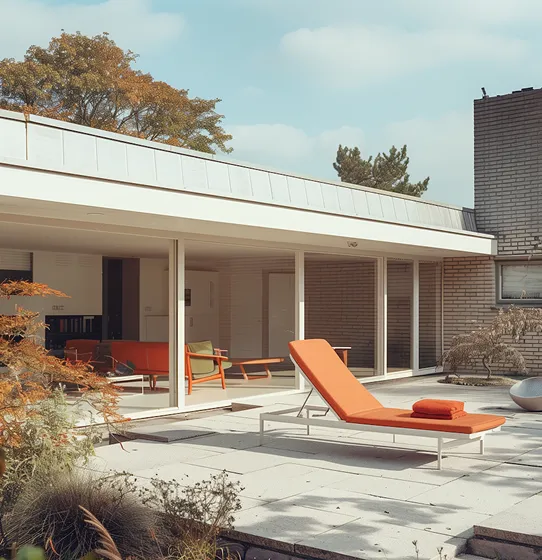
The Best STR Lenders for Your First Vacation Rental Loan
Financing a short-term rental is not the same as buying a primary residence. Conventional lenders either won't count STR income or will underwrite the property as an investment property with higher rates and larger down payments. The investors we interviewed generally use one of three paths: a DSCR loan, a second-home mortgage, or a portfolio loan from a local bank. This isn't financial advice — it's the map.
DSCR loans: the STR investor's default
A Debt Service Coverage Ratio (DSCR) loan is underwritten on the property's projected cash flow, not your personal income. If the property's rental income covers the debt service at a ratio of 1.0 or higher, most DSCR lenders will fund it — even if you already own a dozen properties.
Typical DSCR terms in 2026: 20–25% down, rates 50–150 bps above conventional investment-property rates, 30-year fixed available, no personal income documentation. The catch is that STR income is sometimes harder to qualify than long-term-rental income — some DSCR lenders will only use long-term rent projections (a drag for high-performing STR markets), while specialist lenders will use short-term projections from AirDNA or the appraiser's market rent schedule.
Lenders to shortlist: Visio Lending, Kiavi, Lima One Capital, and Easy Street Capital all run active DSCR programs with STR-aware underwriting.
Second-home mortgages: the lowest-rate path (if you qualify)
A Fannie Mae or Freddie Mac second-home loan can be had with 10% down and near-primary-residence rates. The rules are strict: the property must be in a different geographic area from your primary residence, it must be available for your personal use, and you can't have a rental management agreement that restricts your access.
Many STR investors have used this path successfully for their first vacation property. Occupancy rules changed in 2022 to tighten up — and lenders scrutinize them — but it's still the lowest-cost financing available for a well-structured first STR.
Portfolio loans from local banks
If you're in a market with a local community bank or credit union, ask about their commercial portfolio program. These loans don't sell on the secondary market, so the bank sets its own rules: typically 20–25% down, 5- or 7-year ARMs, and relationship-based pricing. Slower to close, but often more flexible on property type and investor history.
What to have ready before you apply
- Last two years of tax returns (full schedules, not just 1040)
- Proof of reserves — 6–12 months of PITI in liquid assets
- A clear STR pro forma with realistic occupancy and ADR (use market analytics data to back it up, not Zillow)
- Credit score above 700 for the best rates; DSCR floors are usually 680
- Entity structure — many investors use an LLC, which affects which lenders will fund the deal
Common mistakes first-time STR buyers make
Using conventional investment-property financing without shopping DSCR. For pure rental income properties, a DSCR loan is almost always faster and cleaner, even if the rate is 50 bps higher.
Overstating projected STR income. Appraisers pull their own market rent. If your pro forma is 40% above comp income, the lender will either kill the deal or adjust the LTV.
Skipping STR regulations diligence. A property in a market that's about to restrict STRs is a cash-flow property on paper and a long-term rental in reality. Check before you close.
What to ask any lender
- Do you underwrite with short-term or long-term rental income?
- What's your minimum DSCR, and does it vary by market?
- Are you OK with LLC borrowers, or do you require personal guarantees?
- What's your closing timeline? (DSCR lenders often close in 21–30 days; banks can take 45–60.)
- Any prepayment penalties?
Compare active STR lenders on our lenders comparison page.
This is not financial advice. Talk to a licensed mortgage advisor before making a decision on any real estate financing.

Explore our latest blogs & insights for inspiration